
Coming home to a house that suddenly feels much hotter than usual can be frustrating, especially when the weather outside is already warm. You may notice that the air conditioner is running, yet the rooms still feel uncomfortable. Sometimes the cause is simple, while other situations may require professional attention. Understanding why your home is suddenly hot can help you identify the problem sooner and decide what to do next.
Your Air Conditioner May Have Stopped Cooling Properly
One of the first things to check when your home becomes unusually hot is the air conditioning system. If the AC is running but producing warm or barely cool air, there could be an issue with the system’s components. Problems involving the compressor, refrigerant, electrical connections, or thermostat can affect how effectively your home is cooled. When the temperature inside continues rising, contacting a professional is a must. Emergency Air Conditioning Repair Services can help identify the problem and restore comfortable indoor temperatures.
A Dirty Air Filter Can Restrict Airflow
Your home’s air filter plays an important role in maintaining good airflow. When it becomes clogged with dust and debris, the air conditioner may have difficulty moving enough cool air throughout the house. The system may continue running for long periods without effectively lowering the temperature. Checking your filter regularly is a simple part of home maintenance. Depending on the type of filter and conditions inside your home, replacing it periodically can help maintain proper airflow and reduce unnecessary strain on the AC system.
Your Thermostat Could Be Causing the Problem
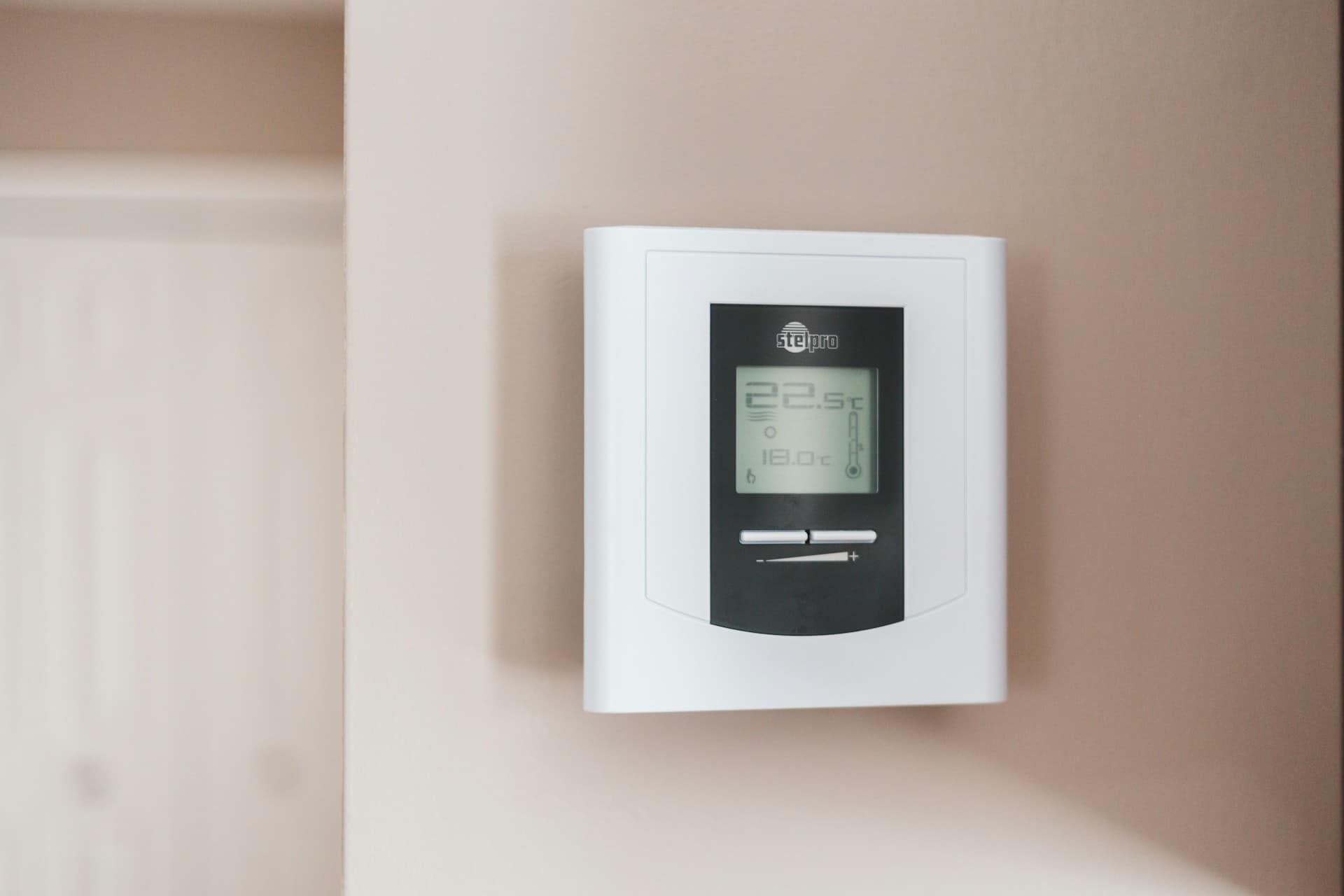
Sometimes the problem is not the air conditioner itself but the thermostat controlling it. Incorrect temperature settings, weak batteries, or a faulty thermostat can prevent the cooling system from operating as expected. Check that the thermostat is set to cooling mode and that the temperature is lower than the current indoor temperature. If everything appears correct but the home remains warm, a professional can determine whether the thermostat or another part of the system needs attention.
Poor Airflow Can Leave Some Rooms Hot
If certain rooms are much warmer than others, poor airflow could be contributing to the problem. Closed vents, blocked registers, dirty ductwork, or problems with the duct system can prevent cool air from reaching parts of your home. Take a quick look around the warmer rooms and make sure vents are open and not covered by furniture, curtains, or other objects. Persistent uneven temperatures may indicate a deeper airflow issue that requires professional inspection.
Your Home May Have Insulation Problems
Insulation helps keep unwanted outdoor heat from entering your home. If your attic or walls have inadequate or damaged insulation, heat can move into the living areas more easily, particularly during hot weather. An especially warm upstairs area can sometimes point toward an attic insulation issue. Improving insulation can make it easier for your cooling system to maintain a comfortable indoor temperature and may also help reduce energy use over time.

Sunlight Can Heat Your Rooms Quickly
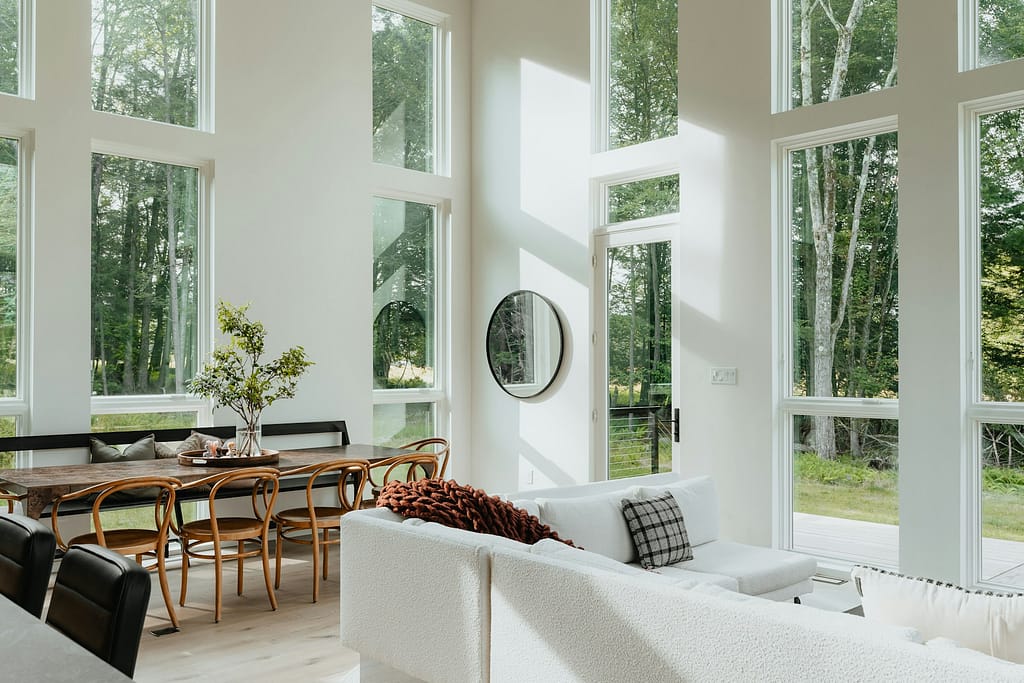
Direct sunlight can make a noticeable difference in indoor temperatures. Large windows that receive strong afternoon sunlight can allow significant amounts of heat into your home, forcing the AC to work harder. Closing blinds or curtains during the hottest part of the day can help limit this heat gain. Energy-efficient window coverings, reflective treatments, and properly sealed windows can also make a difference in keeping rooms more comfortable.
Your AC May Be Overdue for Maintenance
Air conditioners need regular maintenance to operate efficiently. Dust buildup, worn components, clogged coils, and other issues can gradually reduce cooling performance. You may not notice a problem until the system suddenly struggles to keep up with outdoor temperatures. Routine professional maintenance can help identify developing issues before they turn into larger problems. It can also help keep your system operating efficiently throughout the cooling season.
What Should You Do If Your Home Stays Hot?
Start with the basics by checking the thermostat, air filter, vents, and obvious airflow problems. If those checks do not solve the issue, avoid repeatedly forcing the system to run while the temperature continues climbing. A qualified HVAC technician can inspect the system, identify the underlying cause, and recommend the appropriate repair. Getting professional help promptly can be particularly important when indoor temperatures become uncomfortable or potentially unsafe during extreme heat.
A suddenly hot home can result from several issues, including restricted airflow, thermostat problems, insulation deficiencies, direct sunlight, or an AC system that is not cooling properly. Checking simple causes first can sometimes solve the problem, but persistent cooling issues are worth having professionally inspected. Acting early can help restore comfort and prevent a small problem from becoming a more expensive repair.